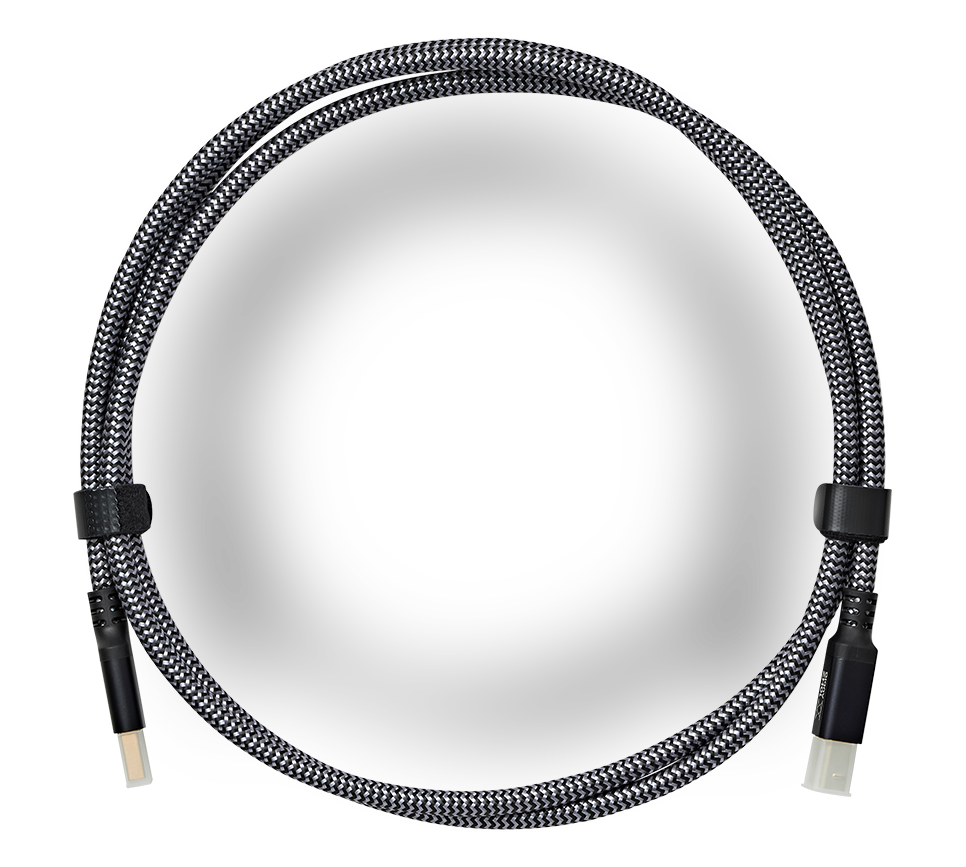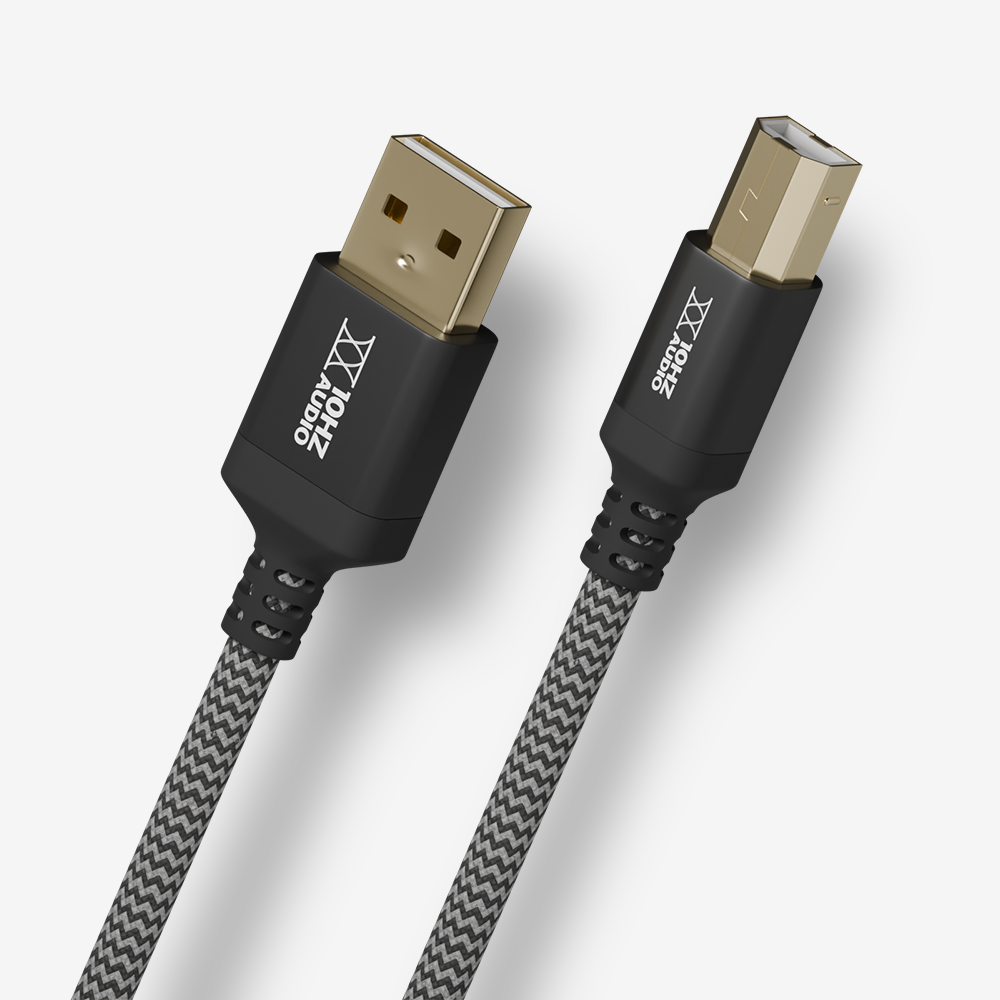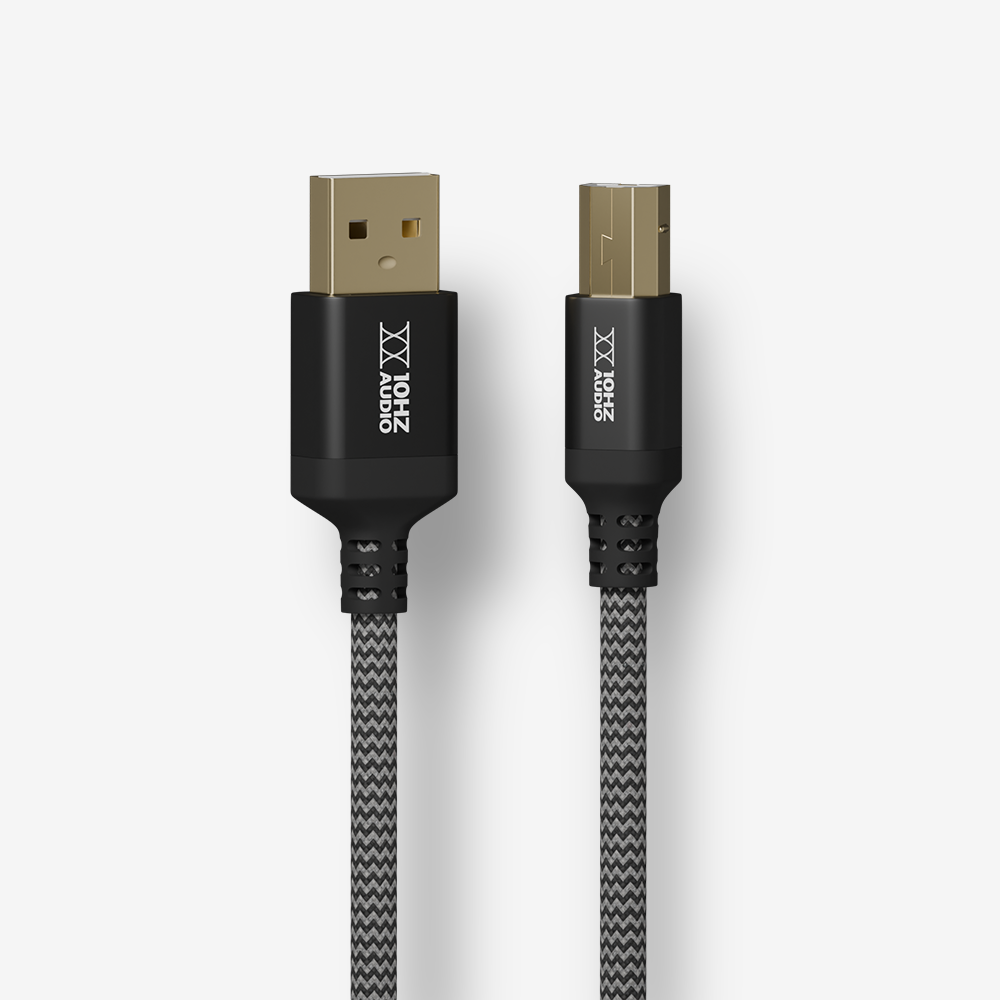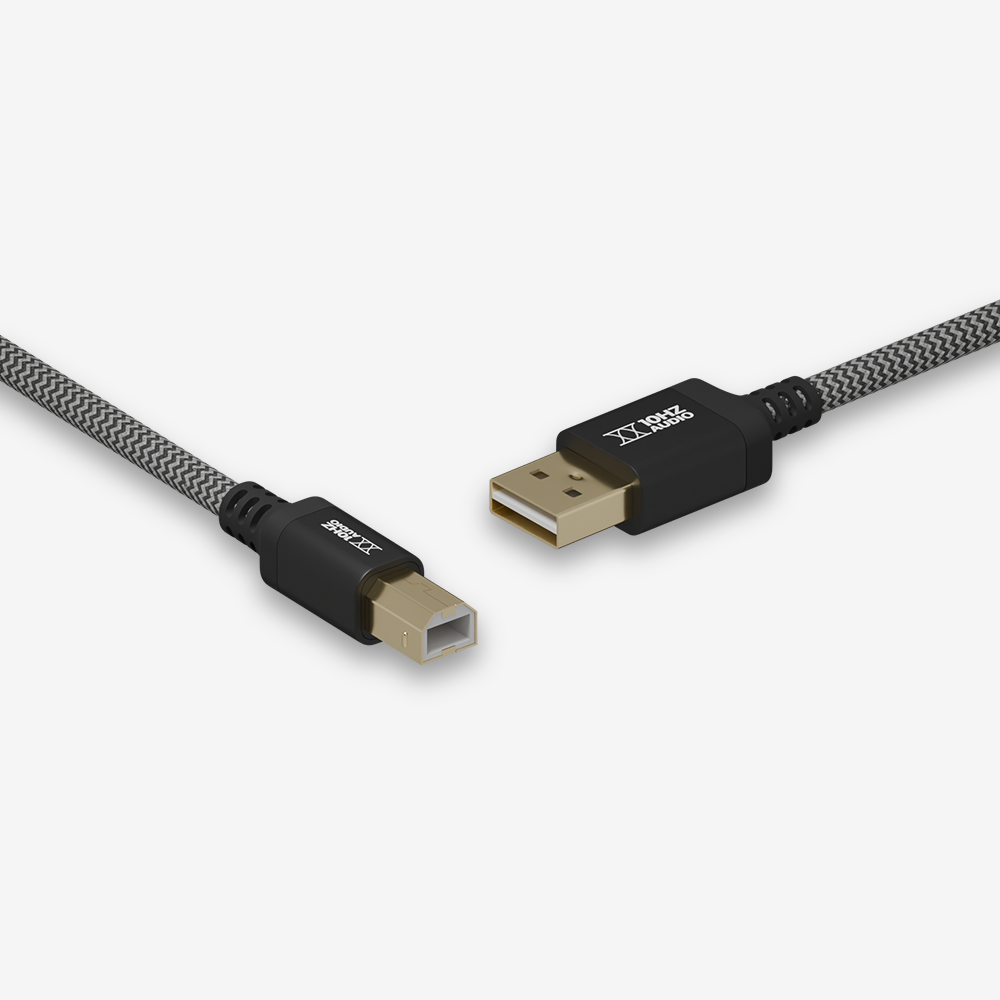
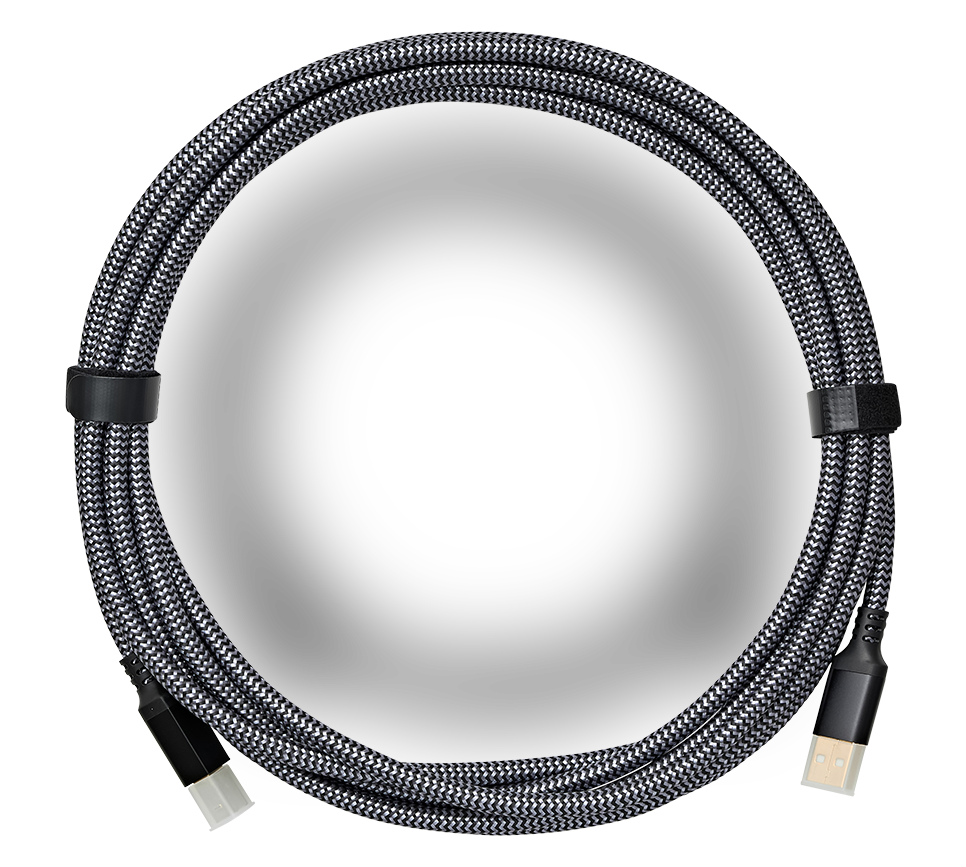
10Hz AUDIO USB Cable

USB Audio Cable Type A to B – 4m
USB Audio Cable Type A to B – 1.5m
High-Performance USB Cable Solution for Digital Audio Transmission
This technical white paper presents the technological excellence and performance innovation of the premium USB 2.0 cable from the 10Hz AUDIO brand. In the digital audio market, the quality of a USB cable is determined by several key factors such as signal integrity, jitter minimization, impedance control, and electromagnetic shielding. These factors have a significant impact on the final sound quality. The 10Hz AUDIO USB cable minimizes signal loss and distortion that can occur during digital audio transmission through stringent design standards that exceed USB-IF specifications and the use of high-quality materials, enabling high-fidelity audio reproduction that closely resembles the original sound.
Product Overview and Design Philosophy
Core Requirements of Digital Audio Transmission In digital audio transmission, real-time data processing is crucial, which requires a completely different approach from analog audio. As most USB audio devices still utilize the USB 2.0 standard, cables designed precisely to match USB 2.0 specifications are essential. General USB 3-based cable materials often do not provide the appropriate impedance characteristics for USB 2.0 signal transmission, resulting in suboptimal performance in digital audio applications.
To address these issues, the 10Hz AUDIO USB cable implements a precisely tuned 90Ω differential impedance aligned with the USB 2.0 specification, enabling stable signal transmission even in realtime audio environments where error correction is not applied. To further suppress jitter—a critical factor in digital audio—and ensure signal stability over long distances, the cable adopts a dualshielded structure and 26AWG-thick differential signal cores, maintaining excellent signal quality even during long-distance transmission.
The 10Hz AUDIO USB cable achieves outstanding performance that far exceeds standard USB-IF specifications, securing a technological edge in the field of digital audio transmission. With precise impedance control, high-quality signal conductors, and a dual shielding system, it delivers superior performance across all aspects, maximizing signal integrity and stability in real-time audio transmission.
Key Technological Advantages
Impedance control is one of the most critical factors in high-frequency digital signal transmission. The 90Ω differential impedance required by the USB 2.0 standard is a key parameter for minimizing signal reflection and maintaining signal integrity. The 10Hz AUDIO cable employs precise design and manufacturing processes to maintain consistent impedance across the entire cable, from the soldering points on the USB connectors to the cable body itself.
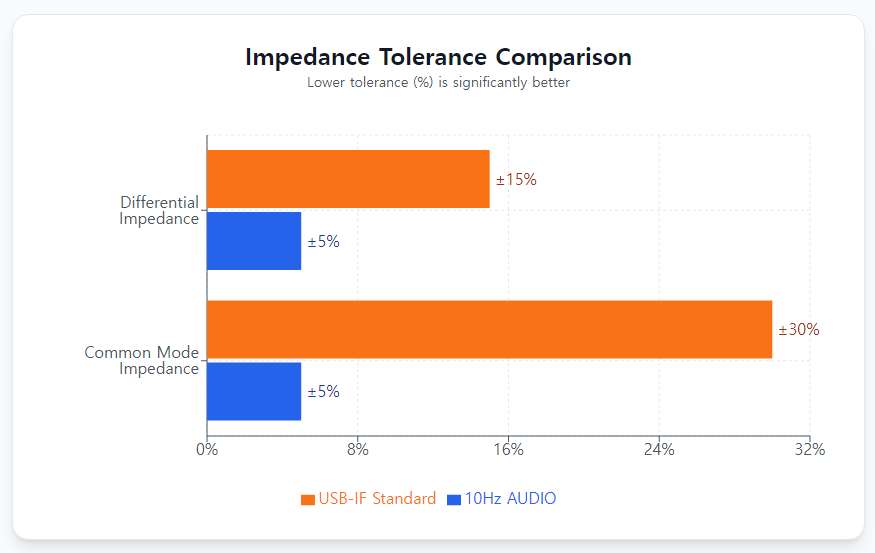
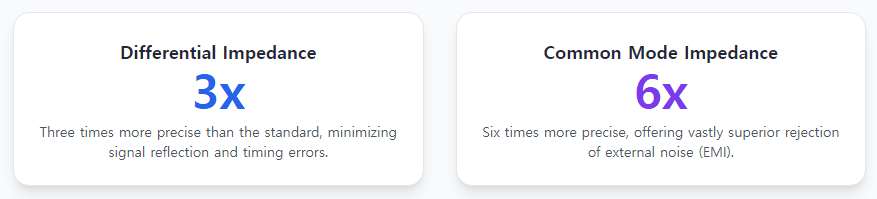
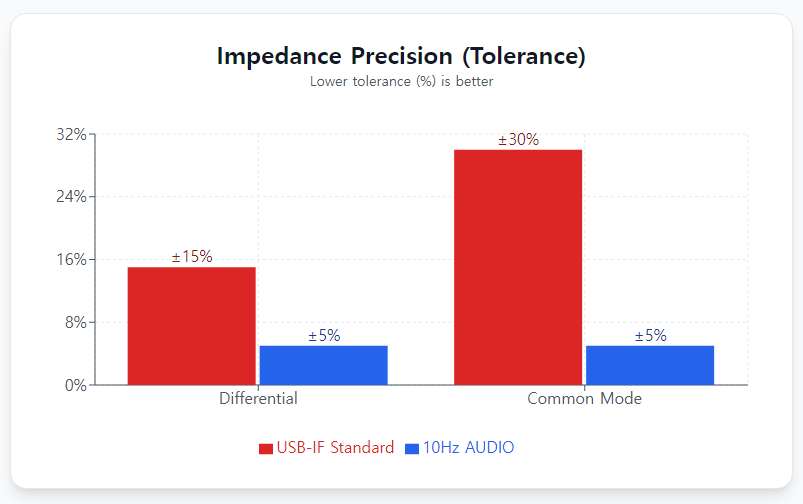
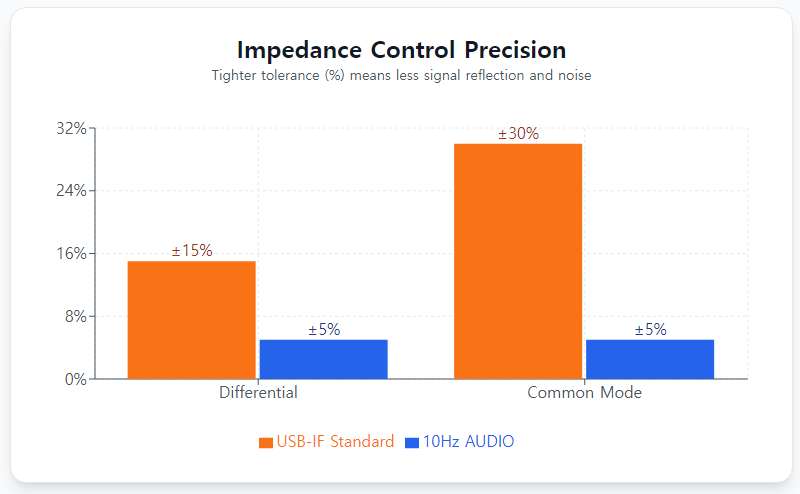
The cable’s impedance is determined by the geometric structure of the conductors, the dielectric constant of the insulator, and the shielding configuration. 10Hz AUDIO precisely controls the twist rate of the D+/D signal lines to match the USB-IF standard, as well as the thickness of the insulation and the spacing between conductors, achieving an impedance of 90Ω ± 5%. This is three times stricter than the standard tolerance of ±15%, significantly reducing signal reflection caused by impedance mismatch.
The common-mode impedance is also achieved with exceptional precision at 30Ω ± 5%, a sixfold improvement over the standard tolerance of 30Ω ± 30%.
제품 이미지
제품 이미지

제품 이미지

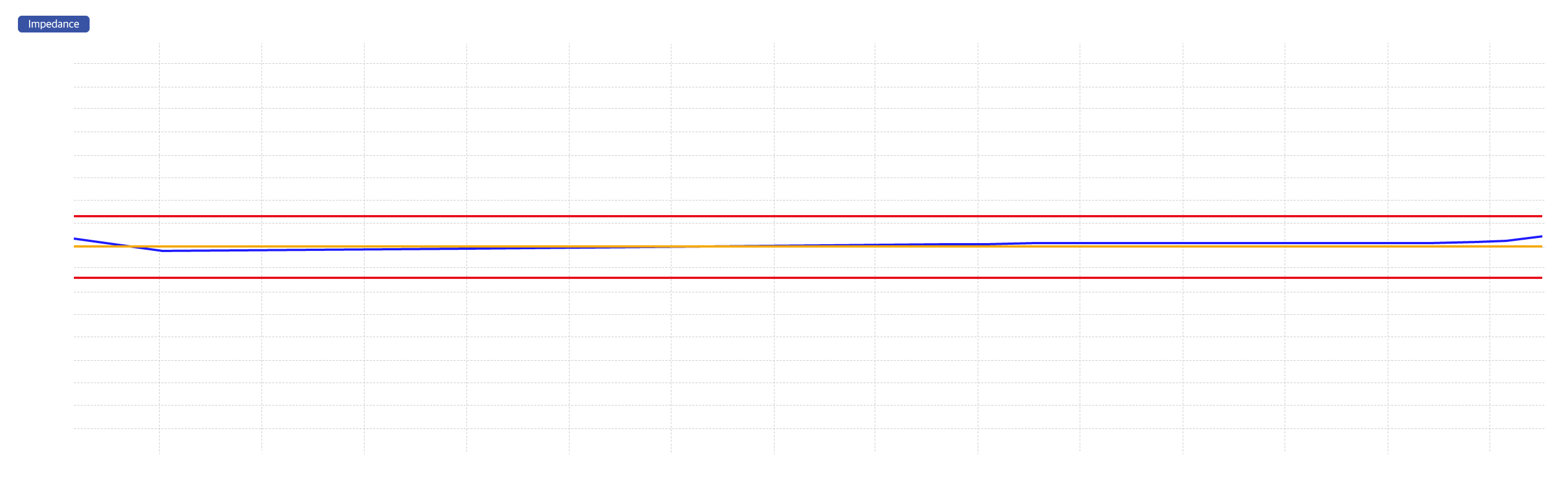
10Hz AUDIO 1.5m USB CABLE Impedance Measurement Data

This level of impedance control precision plays a critical role in minimizing signal reflection and effectively suppressing jitter. By significantly reducing signal distortion caused by impedance mismatch, it fundamentally enhances the quality of digital audio transmission.
Item USB-IF Standard Specification 10Hz AUDIO Cable Specification Performance Improvement Rate
Differential Impedance 90Ω ± 15% 90Ω ± 5% ±15% → ±5% (3x tighter)
Common Mode Impedance 30Ω ± 30% 30Ω ± 5% ±30% → ±5% (6x tighter)
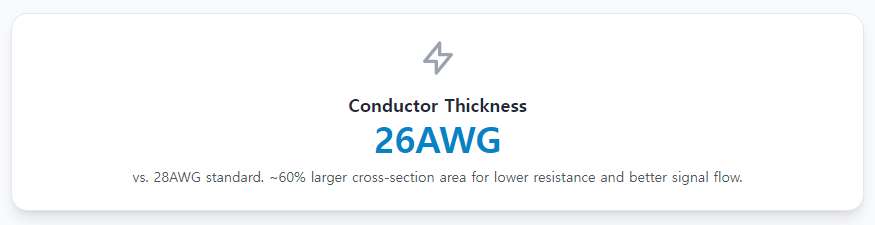
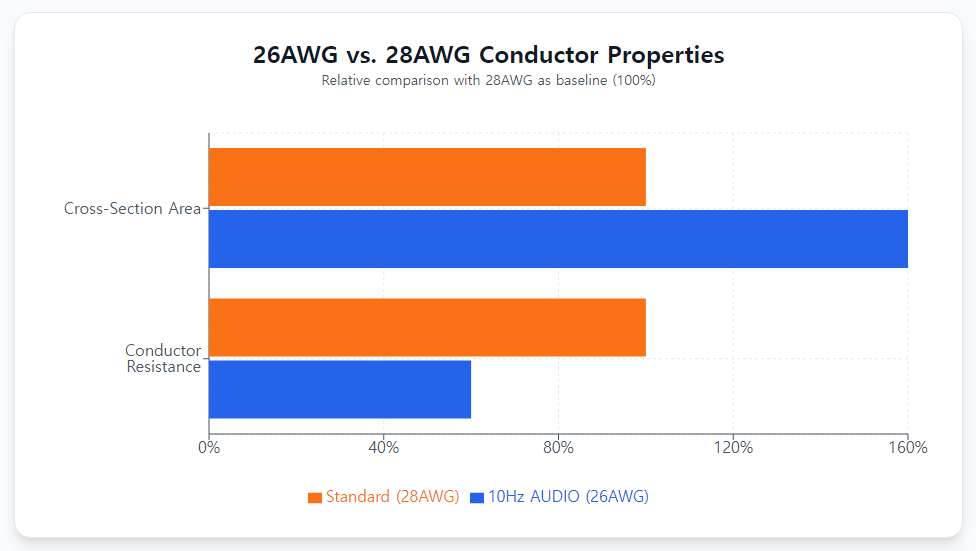
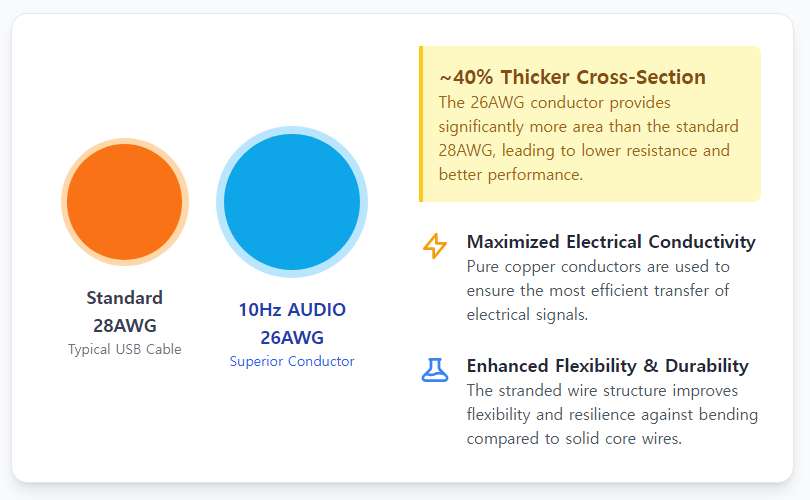
The 10Hz AUDIO cable uses high-conductivity copper conductors. Its stranded wire structure greatly improves flexibility and durability compared to solid-core wires, while maintaining excellent electrical characteristics. The 26AWG stranded conductors offer approximately 40% greater crosssectional area than standard 28AWG wires, reducing resistance and significantly enhancing signal transmission quality.
제품 이미지
제품 이미지
제품 이미지
Item USB-IF Standard Requirement 10Hz AUDIO Cable Measured Data Performance Improvement Rate
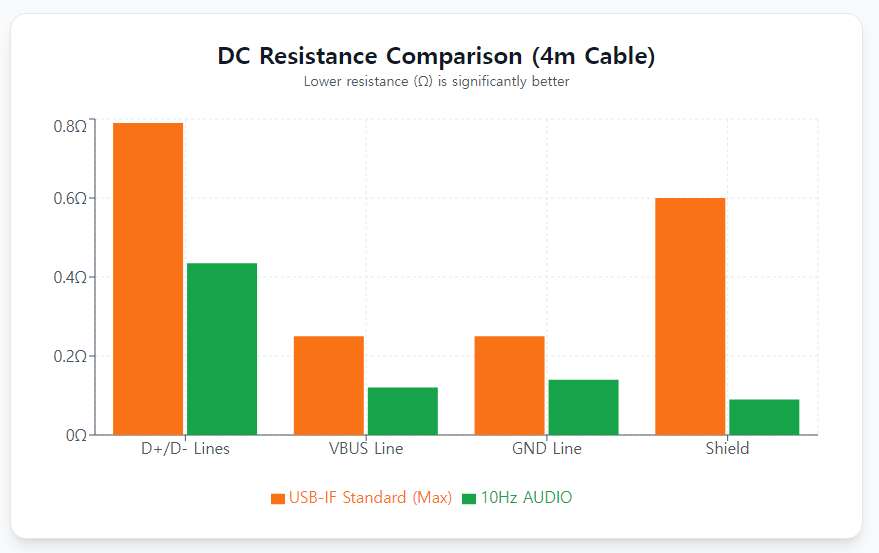
DC Resistance (D+/D–) – 4m ≤0.79Ω 0.43 ~ 0.44Ω Approx. 44.3% resistance reduction
DC Resistance (VBUS) – 4m ≤0.25Ω 0.12Ω Approx. 52.0% resistance reduction
DC Resistance (GND) – 4m ≤0.25Ω 0.14Ω Approx. 44.0% resistance reduction
Shield Resistance – 4m ≤0.60Ω 0.09Ω Approx. 85.0% resistance reduction
Conductor Thickness (Differential Signal Lines) 28AWG 26AWG Approx. 60.0% increase in cross-sectional area
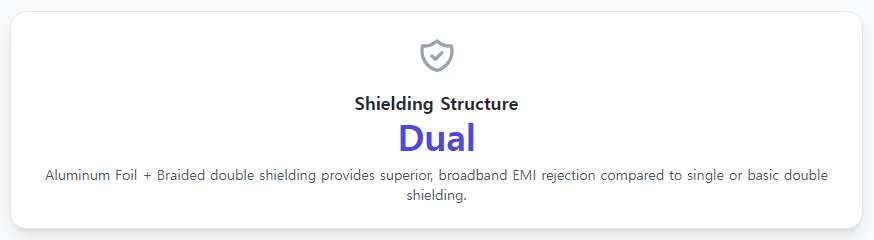
Shielding Structure Single or Dual Shield Aluminum Foil + Braided Dual Shield Dual shielding for wideband EMI suppression
According to the measured data, the D+/D signal lines at a 4-meter length achieve a 44.2% reduction in resistance compared to the standard, while the power line (VBUS) shows a 52% reduction. The 26AWG conductor has approximately 60% greater cross-sectional area than 28AWG and generally offers about 50–60% higher current-carrying capacity. This helps minimize signal attenuation during long-distance transmission, enabling stable high-resolution audio transmission even over 4 meters.
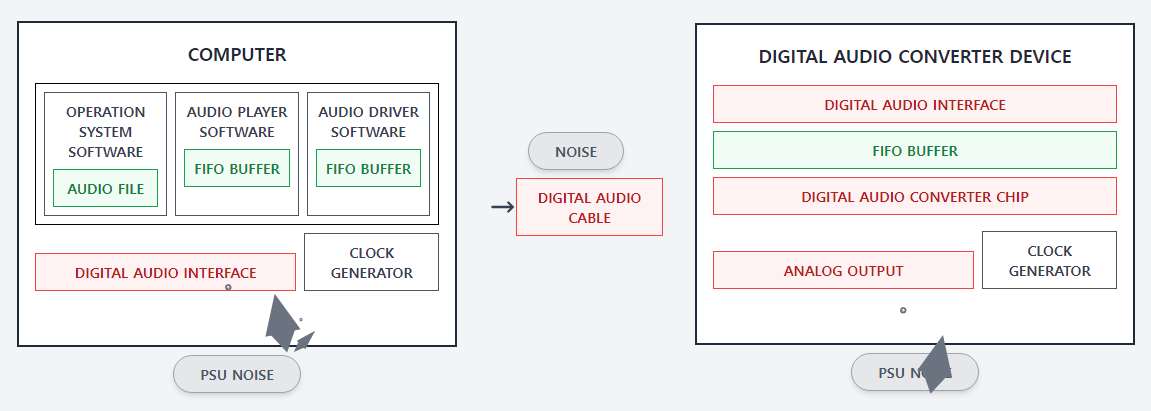
Jitter is the time-axis instability of digital clock signals and is a major distortion factor that directly affects the quality of digital audio. In USB audio transmission, jitter mainly arises from power noise at the source, power noise at the receiver, and external EMI/RF noise introduced through the cable. To minimize these sources of jitter, the 10Hz AUDIO cable adopts a dual shielding structure.
제품 이미지
The dual shielding system of the 10Hz AUDIO cable combines aluminum foil and braided shielding to achieve wideband EMI/RF noise suppression. The aluminum foil shielding provides 100% coverage against high-frequency noise, while the copper braided shielding, with a braid density of over 65%, effectively blocks low-frequency noise. This dual shielding structure offers superior mechanical strength and EMI/RF suppression compared to single shielding, effectively minimizing jitter—a critical factor in digital audio transmission.
A precisely engineered shielding layer within the 6.5mm cable diameter minimizes the intrusion of external noise and effectively prevents crosstalk between internal signal lines.
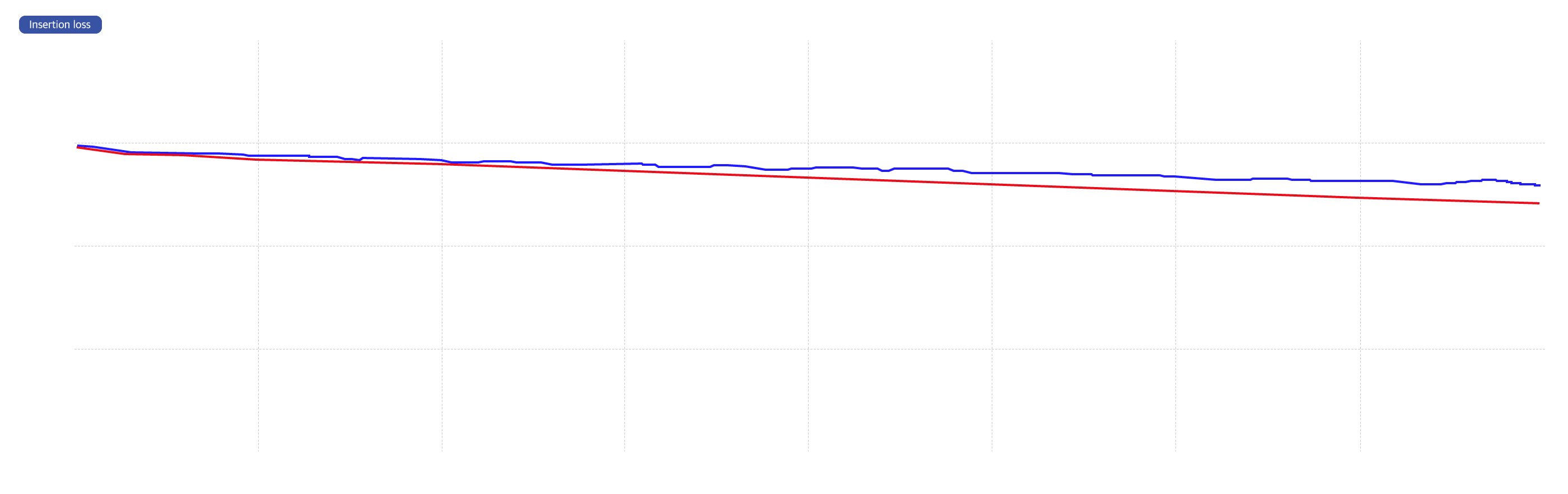
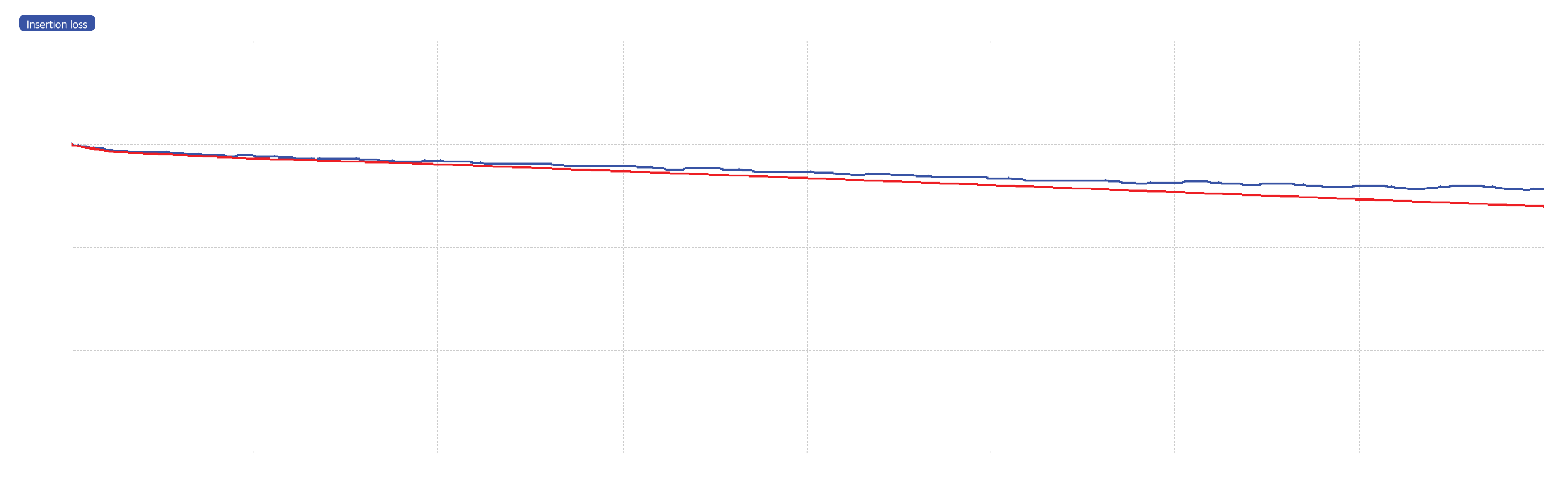
Insertion loss refers to the loss of signal amplitude as it passes through a cable, and it tends to increase with higher frequencies. The 10Hz AUDIO cable significantly improves insertion loss performance by using 26AWG conductors instead of the standard 28AWG. This reduces conductor resistance by approximately 40%, thereby minimizing signal degradation during transmission.

제품 이미지

The cross-sectional area of a 26AWG conductor is approximately 60% larger than that of a 28AWG conductor, which also helps reduce losses caused by the skin effect at high frequencies. Thanks to its tighter design tolerances compared to standard specifications, the 10Hz AUDIO USB cable exhibits superior insertion loss characteristics when compared to standard or conventional USB cables.

제품 이미지

10Hz Audio 1.5m USB Cable Insertion Loss
제품 이미지

10Hz Audio 4m USB Cable Insertion Loss
Not only the 1.5m cable, but also the 4m cable provides ample insertion loss margin across the entire frequency range. This ensures more stable signal transmission compared to typical cables, even if the connectors on the cable or device become worn over time and contact resistance increases.
At 400MHz, the 4m cable shows at least a 20% margin over the standard limit, which translates to excellent signal integrity and long-term reliability.

제품 이미지

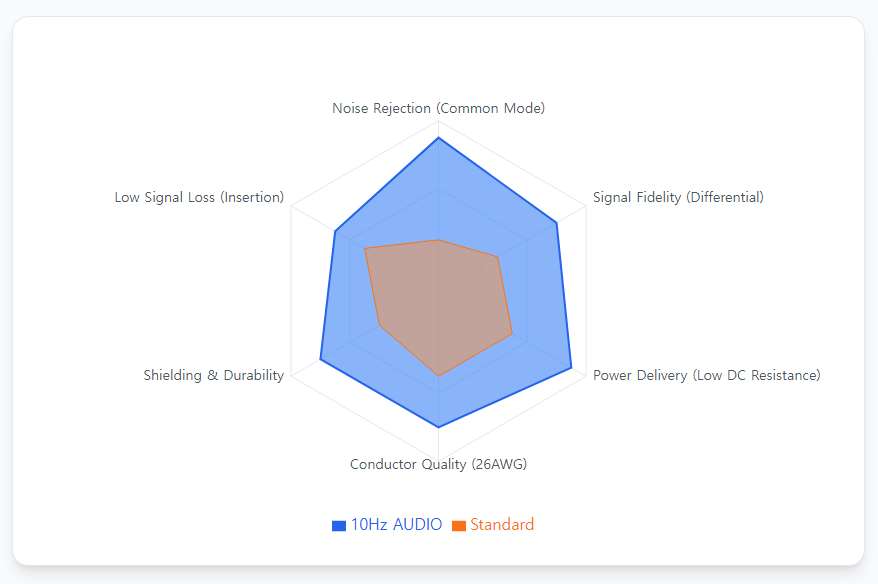
Comprehensive Performance Radar Chart Demonstrating the Technical Superiority of the 10Hz AUDIO USB Cable

Realization of Technical Superiority
The technical superiority of the 10Hz AUDIO cable begins at the precision design stage. By optimizing the geometric structure of the conductors and the dielectric constant of the insulation material, the target impedance defined by USB-IF is achieved. The exact twist rate required by USB-IF is applied to maintain balance in the differential signal.
For precise impedance control throughout the cable, the twist structure of the D+/D signal lines is carefully adjusted, and the insulation thickness and conductor spacing are finely tuned to maintain an impedance within 90Ω ± 5%.
Item USB-IF Standard Specification 10Hz AUDIO Cable Specification Performance Improvement Rate
Differential Impedance 90Ω ± 15% 90Ω ± 5% ±15% → ±5% (3x tighter)
Common Mode Impedance 30Ω ± 30% 30Ω ± 5% ±30% → ±5% (6x tighter)
The 10Hz AUDIO cable uses high-conductivity copper conductors. Its stranded wire structure greatly improves flexibility and durability compared to solid-core wires, while maintaining excellent electrical characteristics. The 26AWG stranded conductors offer approximately 40% greater crosssectional area than standard 28AWG wires, reducing resistance and significantly enhancing signal transmission quality.
제품 이미지
Item USB-IF Standard Requirement 10Hz AUDIO Cable Measured Data Performance Improvement Rate
DC Resistance (D+/D–) – 4m ≤0.79Ω 0.43 ~ 0.44Ω Approx. 44.3% resistance reduction
DC Resistance (VBUS) – 4m ≤0.25Ω 0.12Ω Approx. 52.0% resistance reduction
DC Resistance (GND) – 4m ≤0.25Ω 0.14Ω Approx. 44.0% resistance reduction
Shield Resistance – 4m ≤0.60Ω 0.09Ω Approx. 85.0% resistance reduction
Conductor Thickness (Differential Signal Lines) 28AWG 26AWG Approx. 60.0% increase in cross-sectional area
Shielding Structure Single or Dual Shield Aluminum Foil + Braided Dual Shield Dual shielding for wideband EMI suppression
High-quality copper conductors are used to maximize electrical conductivity. The stranded wire structure significantly improves flexibility and durability compared to solid-core wires while maintaining excellent electrical characteristics. With a 26AWG thickness, the cable offers a crosssectional area approximately 40% larger than that of standard 28AWG wires.
10Hz AUDIO applies quality control (QC) standards that are 10–20% stricter than those of the USB -IF standard. Each cable undergoes individual electrical characteristic testing, with particular emphasis on soldering quality at the USB connectors to prevent initial defects such as poor contact or wire breakage.
제품 이미지
제품 이미지
Item USB-IF Standard Requirement 10Hz AUDIO Cable QC Standard
Differential Impedance 90Ω ± 15% 90Ω ± 5%
Common Mode Impedance 30Ω ± 30% 30Ω ± 5%
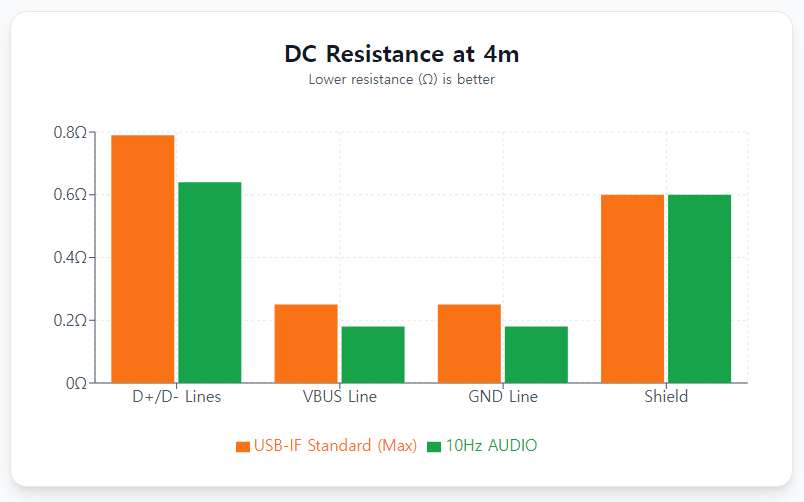
DC Resistance (D+/D–) – 4m ≤0.79Ω 0.64Ω
DC Resistance (VBUS) – 4m ≤0.25Ω 0.18Ω
DC Resistance (GND) – 4m ≤0.25Ω 0.18Ω
Shield Resistance – 4m ≤0.60Ω 0.60Ω
Impedance measurements are conducted across the entire cable length to ensure there are no mismatches or fluctuations in specific sections. Consistent impedance is maintained from the connector through to the entire length of the cable.
Item USB-IF Standard Specification 10Hz AUDIO Cable Specification Performance Improvement Rate
Differential Impedance 90Ω ± 15% 90Ω ± 5% ±15% → ±5% (3x tighter)
Common Mode Impedance 30Ω ± 30% 30Ω ± 5% ±30% → ±5% (6x tighter)
Performance Verification and Measurement Results
• Verification Using Professional Measurement Equipment
제품 이미지
Impedance and insertion loss measurements were conducted using the Keysight E5071C VNA (Vector Network Analyzer), covering a wide frequency range from 64kHz to 400MHz. This range encompasses not only the fundamental frequency of USB 2.0 signals but also their harmonic components, ensuring comprehensive evaluation across the full signal spectrum.
제품 이미지
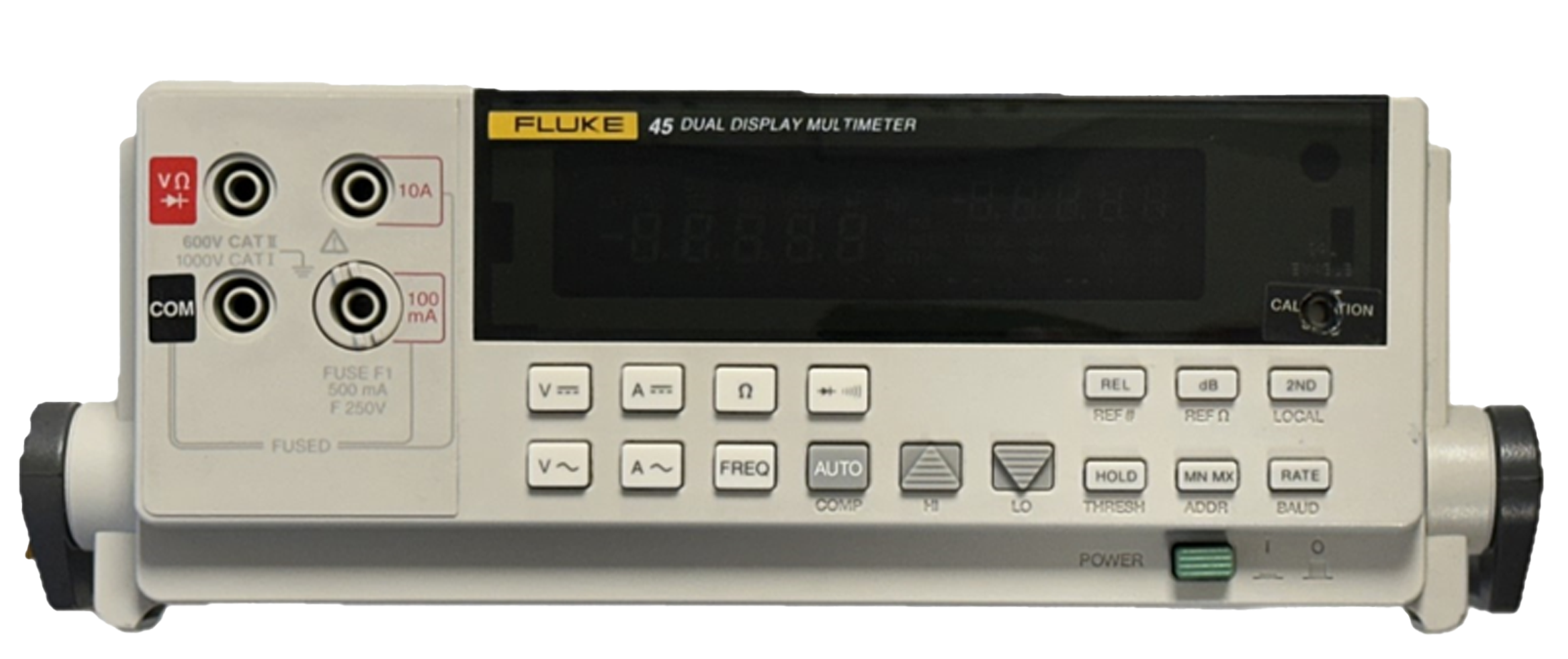
DC resistance measurements using the FLUKE 45 precision multimeter are performed with a resolution of 1mΩ, allowing for accurate detection of even minute changes in resistance.
제품 이미지
Compatibility and stability with various USB audio devices were verified through real-world usage testing using the APX555B professional audio analyzer.
• Analysis of Measured Data
제품 이미지
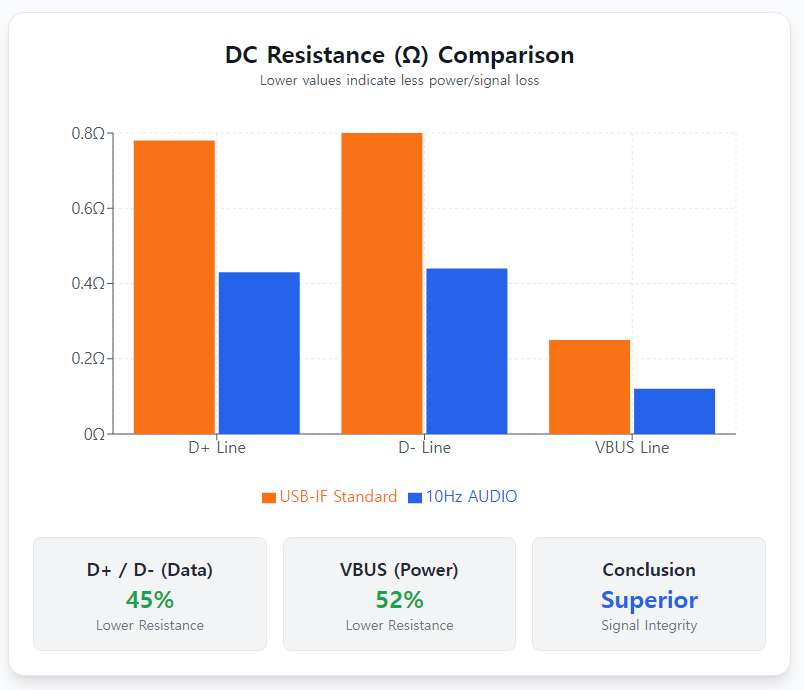
The measured DC resistance values from an actual 4-meter product demonstrate performance that significantly exceeds USB-IF standards across all signal lines. The D+ line measured at 0.43Ω and the D line at 0.44Ω—representing a 45% reduction compared to the standard. The VBUS line achieved 0.12Ω, showing a 52% reduction.
These results confirm that the design targets were fully met and prove the cable’s ability to maintain signal integrity even in long-distance transmission scenarios.
Comparative Analysis with Competing Products
Market Overview and Limitations of Existing Products Most USB cables currently sold on the market are designed based on USB 3 specifications, which often leads to impedance mismatch with USB 2.0 audio devices. Since many USB 3 cables are built with impedance characteristics that differ from USB 2.0 standards, they can cause issues such as signal reflection or increased jitter during digital audio transmission. The longer the cable, the more pronounced these effects become.
Even some expensive, custom-made cables frequently exhibit inaccurate impedance characteristics, particularly at the connector region, where discontinuities often occur. Since most cable manufacturers focus on USB 3 and USB 4 products, there is limited investment and interest in USB 2.0 cable development. As a result, it is difficult to find high-quality cables on the market that precisely adhere to USB 2.0 specifications.
제품 이미지
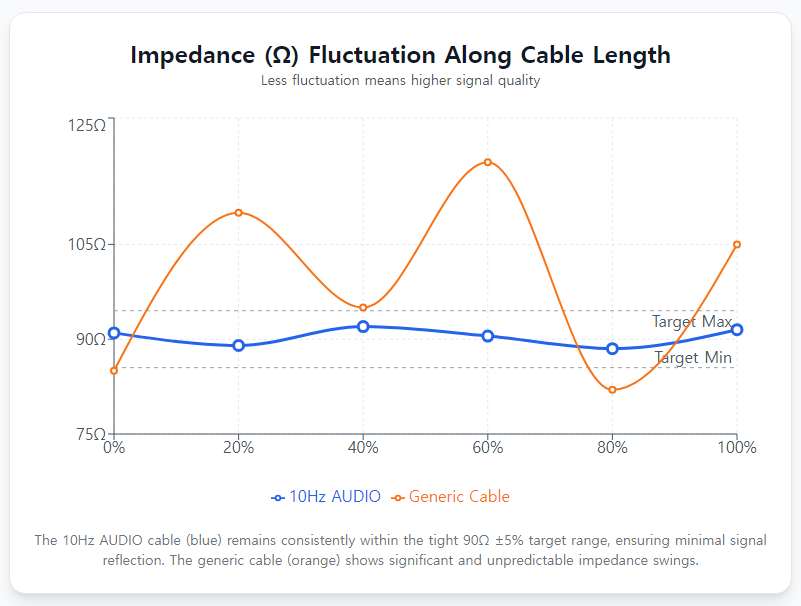
In contrast, the 10Hz AUDIO cable maintains a tightly controlled impedance of 90Ω ± 5% across its entire length, demonstrating superior impedance stability. This level of precision significantly reduces signal reflection and greatly enhances transmission quality.
A comparison of impedance stability between the 10Hz AUDIO cable and standard USB cables clearly highlights the difference. In typical cables, impedance varies widely—ranging from 80Ω to 120Ω—due to inconsistent construction and the use of thinner signal conductors for USB 2.0 lines, resulting in large impedance fluctuations.
In terms of insertion loss, the 10Hz AUDIO cable outperforms standard USB cables across the entire frequency spectrum, with the performance gap widening significantly at higher frequencies—especially above 100MHz. The use of 26AWG differential signal lines results in reduced resistance, which makes an even greater difference in long-distance transmission scenarios.
The 10Hz AUDIO cable delivers the performance of cables used in professional measurement systems, but at a price accessible to general consumers. With high-purity copper conductors, dual shielding, and precise impedance control, its performance is comparable to that of professionalgrade cables costing several hundred dollars.
Unlike typical USB cables that maintain stable performance only at lengths of 1–2 meters, the 10Hz AUDIO cable ensures stable signal transmission even at 4 meters. Moreover, the 1.5-meter version uses the exact same cable specification as the 4-meter version, ensuring maximum transmission precision and consistent top-tier performance across all lengths.
Benefits in Digital Audio Applications
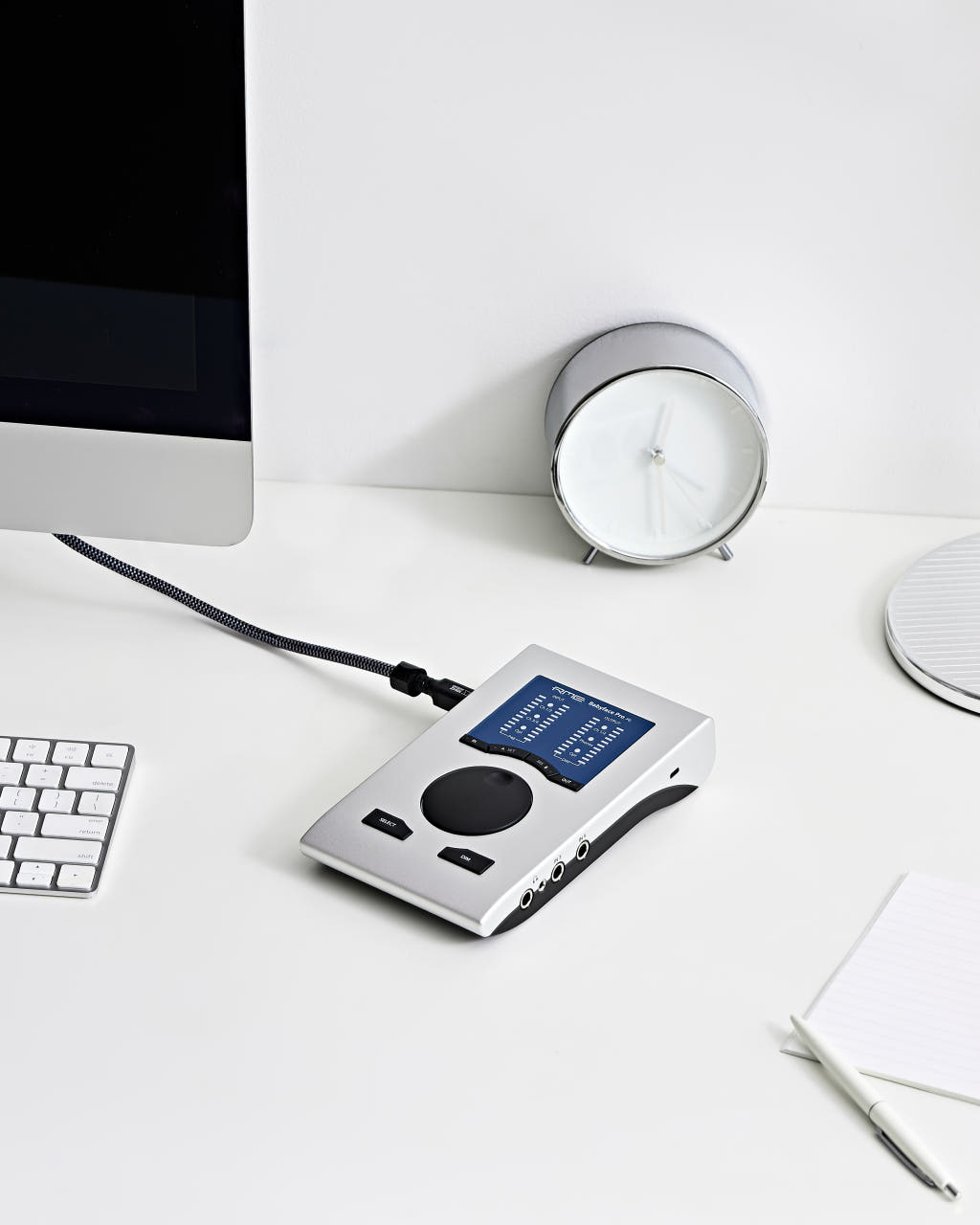
The 10Hz AUDIO USB cable is optimized for a wide range of digital audio devices including USB DACs, audio interfaces, and digital players. As USB 2.0-based audio devices continue to dominate the market, a cable that strictly conforms to USB 2.0 specifications allows these devices to perform at their best.
The cable’s outstanding electrical characteristics truly shine in high-resolution audio transmission at 24bit/192kHz and beyond. Since USB audio real-time transmission lacks error correction, the signal integrity of the cable directly impacts final sound quality.
Thanks to its low jitter and excellent signal stability, the 10Hz AUDIO cable enables near-original sound reproduction without digital noise or distortion. It accurately delivers the subtle nuances of classical music and acoustic instruments, creating the high-fidelity listening environment sought after by audio enthusiasts.
In broadcast and recording studios, signal accuracy and stability are critical. The 10Hz AUDIO cable’s strict impedance control and superior shielding ensure reliable signal transmission in professional audio production settings.
During long recording sessions or live broadcasts, maintaining stable connections is essential. The cable’s durability and high-quality connectors meet these demands. Its rugged plug/unplug performance ensures reliability in professional environments where frequent equipment changes or reconfigurations occur, maintaining long-term stable connections.
Most modern audio devices still rely on USB 2.0 connectivity, so the upcoming USB-C version of the 10Hz AUDIO cable will continue to carry its current technical advantages into the future—ensuring long-term relevance and performance.


Conclusion and Technical Achievements
제품 이미지

The 10Hz AUDIO USB 2.0 cable is an innovative product that sets a new standard in the field of digital audio transmission. Its performance metrics far exceed USB-IF specifications—not merely meeting requirements, but aiming to enhance the fundamental quality of digital audio itself.
The precise control of 90Ω ± 5% differential impedance and 30Ω ± 5% common-mode impedance minimizes signal reflection and noise, thereby maximizing the fidelity of original sound reproduction.

제품 이미지

The superior electrical characteristics achieved through 19/26 AWG conductors and a dual shielding structure have been clearly validated by measurement data. All measured DC resistance values meet the design targets, and insertion loss performance shows more than a 20% improvement over standard specifications.
These technological advantages were made possible through precise design calculations, the use of high-quality materials, and strict manufacturing process control. Their excellence has been objectively verified through comprehensive testing using professional measurement equipment. In particular, by maximizing the signal integrity and stability required for digital audio transmission, the cable establishes a solid technical foundation for delivering the full emotional impact of highresolution audio.
All of these achievements provide audiophiles and professionals with a new level of sound quality experience.
Through rigorous quality control and ongoing technological innovation, 10Hz AUDIO has secured a position of technical leadership in the digital audio cable market. Moving forward, 10Hz AUDIO will continue to adapt to the evolving audio technology landscape and deliver even better products and solutions—playing a key role in conveying the true emotion of digital music.


제품 이미지